

What Does Codeine Actually Do to Your Body?
Codeine is an opioid medicine used primarily to relieve pain and, in some formulations, to suppress coughing. It works mainly through the brain and central nervous system, where it changes how the body perceives and responds to pain. Because codeine can also slow breathing and cause sedation, it should be used only as directed by a healthcare professional.
Understanding what codeine does to the body is important because its effects are not limited to pain relief. Codeine can affect the nervous system, digestive system, breathing, alertness, and, with repeated use, the body’s dependence on opioids.
How Does Codeine Work in the Body?
After codeine is taken, the medicine is processed by the body and acts on the central nervous system. Some codeine is converted into morphine, an opioid that contributes to its pain-relieving effects. FDA labeling indicates that approximately 5% to 10% of codeine is converted to morphine, although individual responses can vary. Most codeine is metabolized through other pathways, including conversion to codeine-6-glucuronide.
The result is a reduction in how strongly the brain and nervous system respond to pain signals. This can make painful sensations feel less intense.
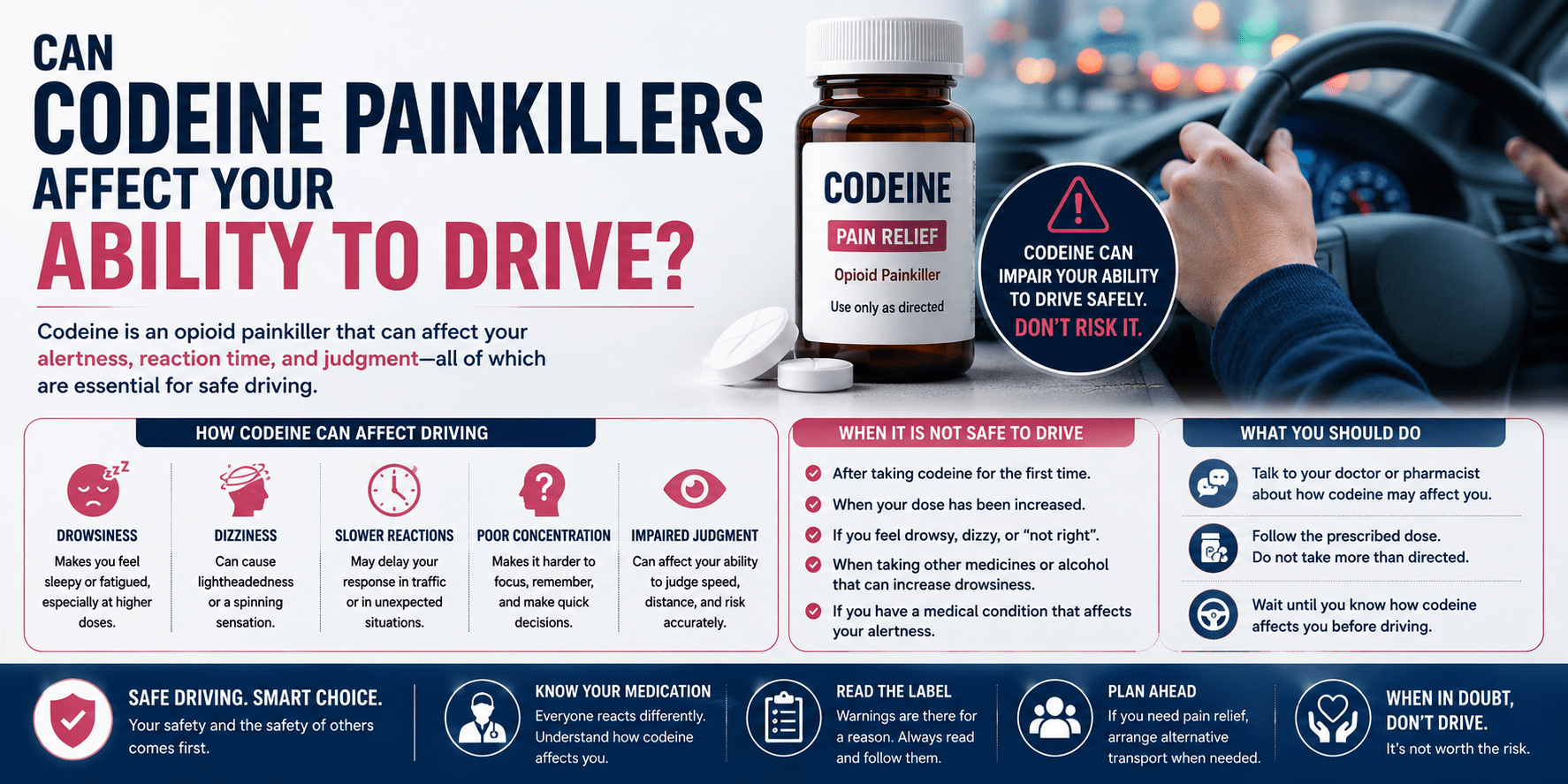
Codeine can also produce drowsiness, relaxation, dizziness, and slower physical responses. These effects are part of why driving or operating machinery can be unsafe if codeine makes someone sleepy or less alert.
What Does Codeine Do to Your Brain and Nervous System?
The brain is one of the primary places affected by codeine. By acting on opioid pathways, codeine changes the perception and emotional response associated with pain.
A person taking codeine may experience:
- Reduced perception of pain
- Sleepiness or tiredness
- Dizziness or lightheadedness
- A feeling of relaxation
- Slower reaction time
- Nausea or vomiting in some people
These effects vary between individuals. Codeine can affect people differently because metabolism, other medications, health conditions, and previous exposure to opioids can influence how strongly someone responds.
What Does Codeine Do to Breathing?
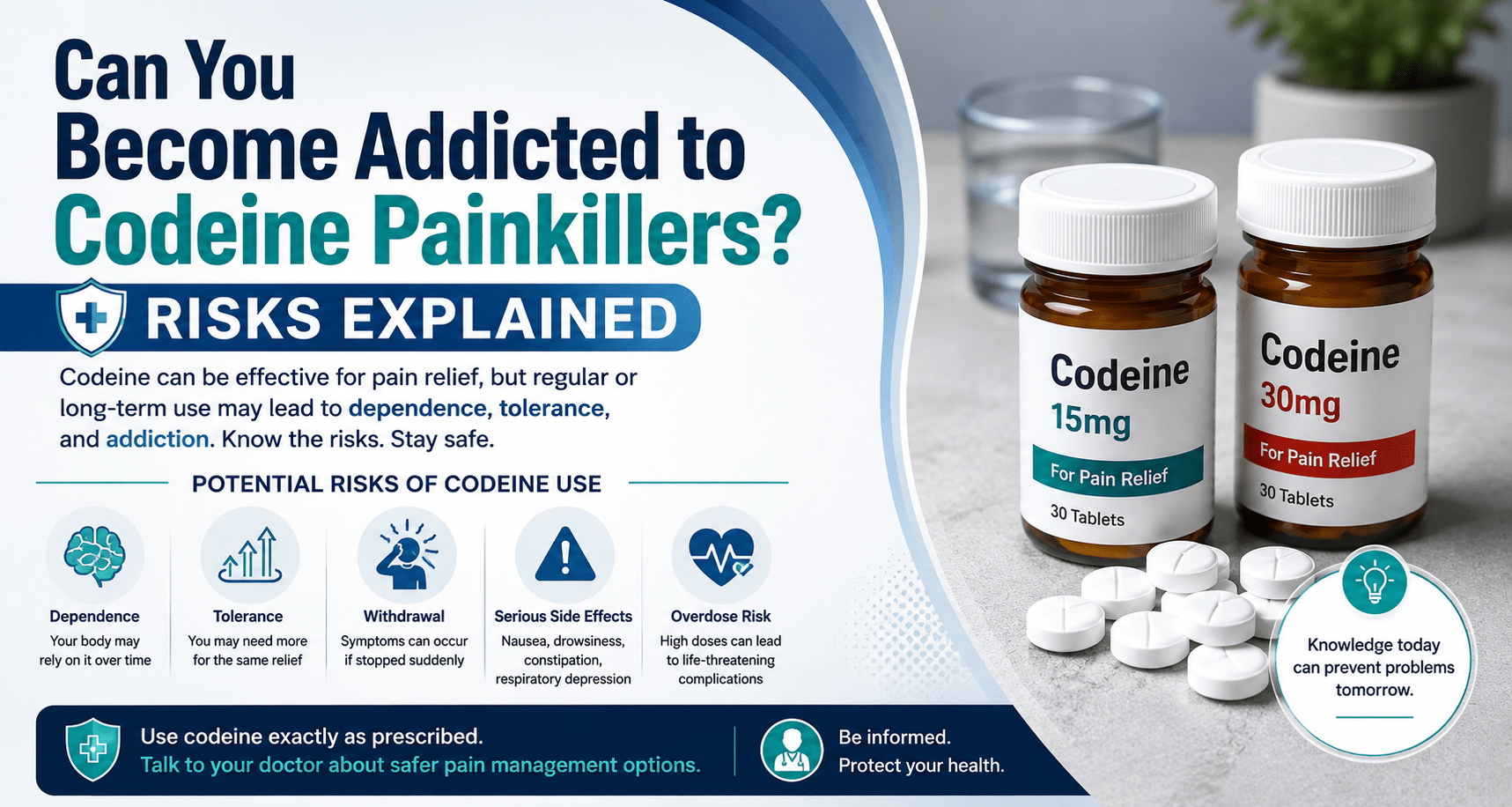
One of the most important physical effects of codeine is that it can slow breathing. This is known as respiratory depression and is potentially life-threatening when severe.
The risk is particularly important when treatment begins or when the dose is increased. Combining codeine with alcohol, certain sedating medicines, or other drugs that depress the central nervous system can further increase the risk of excessive sedation and dangerous breathing problems.
Signs of a possible opioid overdose can include extremely slow or shallow breathing, inability to wake up, severe drowsiness, confusion, pinpoint pupils, and bluish lips or fingertips. Emergency medical help should be obtained immediately if an overdose is suspected.
What Does Codeine Do to the Digestive System?
Codeine can slow movement through the digestive tract. This is why constipation is one of its well-known side effects.
Other digestive effects may include:
- Nausea
- Vomiting
- Stomach discomfort
- Reduced bowel movement frequency
The constipation associated with codeine occurs because opioids can reduce intestinal movement. People taking codeine regularly should discuss persistent constipation with a healthcare professional rather than simply increasing or changing medication on their own.
Codeine Phosphate 15 mg vs. Codeine Phosphate 30 mg
Codeine phosphate 15 mg and Codeine phosphate 30 mg are different strengths of codeine phosphate. The 30 mg strength contains twice as much codeine phosphate per tablet as the 15 mg strength.
This does not mean that a person should automatically take two 15 mg tablets instead of a 30 mg tablet, or change between strengths without professional guidance. The appropriate strength and dosing schedule depend on the person’s medical situation, the reason for treatment, other medicines being taken, and how the individual responds to codeine.
The important distinction is simple:
| Strength | Codeine phosphate per tablet | General significance |
|---|---|---|
| Codeine phosphate 15 mg | 15 mg | Lower-strength tablet |
| Codeine phosphate 30 mg | 30 mg | Twice the codeine phosphate amount of a 15 mg tablet |
The strength printed on a medication label refers to the amount of codeine phosphate, and formulations can differ between products and countries. Always follow the specific prescription and product information supplied for the medicine.
Can Codeine Cause Dependence or Addiction?
Yes. Codeine is an opioid and can be habit-forming. Repeated use can lead to physical dependence, meaning the body becomes accustomed to having the medicine. Tolerance can also develop, meaning the same amount may eventually produce a weaker effect.
Physical dependence and addiction are related but are not identical. A person can develop physical dependence while taking a medicine as prescribed, whereas addiction involves problematic use and difficulty controlling use despite harmful consequences.
Stopping codeine suddenly after prolonged or regular use can cause withdrawal symptoms. These may include anxiety, restlessness, sweating, runny nose, nausea, diarrhea, muscle aches, sleep problems, and abdominal cramping. Healthcare professionals may gradually reduce the medicine when discontinuation is appropriate.
Who Should Be Especially Careful With Codeine?
Codeine may not be appropriate for everyone. People with certain breathing or lung problems, liver or kidney conditions, a history of substance-use problems, or other medical conditions may require additional assessment before using it. Codeine can also interact with other medicines and substances.
Alcohol is particularly concerning because it can increase sedation and other potentially dangerous effects. Other opioids, sedating medicines, and certain recreational drugs can also increase the risk of serious respiratory depression.
What Should You Remember About Codeine?
Codeine is more than simply a painkiller. It changes the way the brain and nervous system process pain, while also affecting alertness, breathing, digestion, and other body functions.
In simple terms: codeine reduces the body’s perception of pain by acting on opioid pathways in the central nervous system, but the same opioid effects can cause sleepiness, constipation, slowed breathing, tolerance, physical dependence, and potentially life-threatening overdose.
Codeine phosphate 15 mg and 30 mg are two different strengths, and neither should be started, stopped, increased, or substituted without appropriate medical guidance.
If someone taking codeine becomes extremely sleepy, cannot be awakened, or develops slow, shallow, or difficult breathing, treat the situation as a medical emergency and seek emergency help immediately.